
Dealing with recruitment scams (job fraud)

A recruitment scam (also known as job fraud) is when a criminal advertises a fake job or contacts someone pretending to offer employment with the aim of stealing personal information and/or money.
Victims are often contacted by someone claiming to be an employer or recruitment agent. The scammer convinces the victim that they are applying for a legitimate job and then asks them to provide personal information, pay fees, or complete work as part of the recruitment process. These fake jobs may be based in South Africa or overseas.
Recruitment scams frequently target job seekers, particularly young people, recent graduates and those actively looking for work.
We want to better understand the impact of you experiencing this issue, can you share your experience by filling in this online form? This will help us better protect future victims.
Common methods of recruitment scams
Advance fee scams
You are asked to pay money during the recruitment process for training, CV preparation, background or police clearance checks, travel, visa or immigration costs, or administration fees.
Premium-rate phone scams
You are invited to a telephone interview using a premium-rate number that results in unexpectedly high phone charges.
Money laundering or criminal activity
You believe you have secured a legitimate job (often a remote or work-from-home role), but you are asked to receive, transfer or process money or goods on behalf of someone else. This may involve money laundering or other criminal activity.
Salary payment scam
The scammer requests your banking details to pay your salary but instead uses them to steal money. They may also ask you to share your screen while logged into online banking.
Free work scam
The scammer offers you a job, asks you to complete administrative or skilled work as part of the hiring process, then disappears without paying you.
Identity theft
You are asked to complete forms containing sensitive personal information or provide copies of identity documents. The information is then used to commit identity fraud.
Fake equipment purchases
You are offered a job and instructed to purchase equipment or software from a specific supplier with the promise that you will be reimbursed later. The supplier is controlled by the scammer.
Task scams
You are offered simple online work, such as liking videos, rating products or completing online tasks. After earning small amounts initially, you are asked to deposit money to unlock higher-paying tasks. Once you pay, the scammer disappears or continually demands additional payments.
Not sure if it is a recruitment scam?
If you are unsure whether the opportunity is genuine, consider the following:
Check how they are communicating - Are they using a free email service such as Gmail, Hotmail or Yahoo instead of a company email address?
Scammers also commonly recruit through WhatsApp, Telegram and other messaging platforms rather than established recruitment channels. Treat unsolicited job offers received through chat applications with a high level of suspicion.
Check the company exists - Search online for the company.
Does it have a professional website?
Does the role appear on the company's official careers page?
Is the business registered with the Companies and Intellectual Property Commission (CIPC) if it operates in South Africa?
If you cannot verify the business, be cautious.
Contact the company being directly - If you can identify the company, contact it using the official contact details published on its website.
Ask them to confirm:
the recruiter works for them
the vacancy is genuine
the recruitment process is legitimate
whether any requested payments are genuine (legitimate employers rarely ask applicants to pay recruitment fees)
Review any documents carefully - Look for spelling mistakes, poor formatting, low-quality logos or inconsistent branding in contracts and other documents.
Review the recruitment process - Ask yourself whether the requests seem reasonable.
Legitimate employers generally will not ask applicants to:
pay recruitment fees
transfer money
receive money on behalf of the company
purchase equipment from a specific supplier
provide excessive personal information before an offer is made
Have you been asked for money? -It is very unusual for a legitimate employer to request payment as part of the recruitment process. If you are asked to pay, there is a strong possibility that it is a scam.
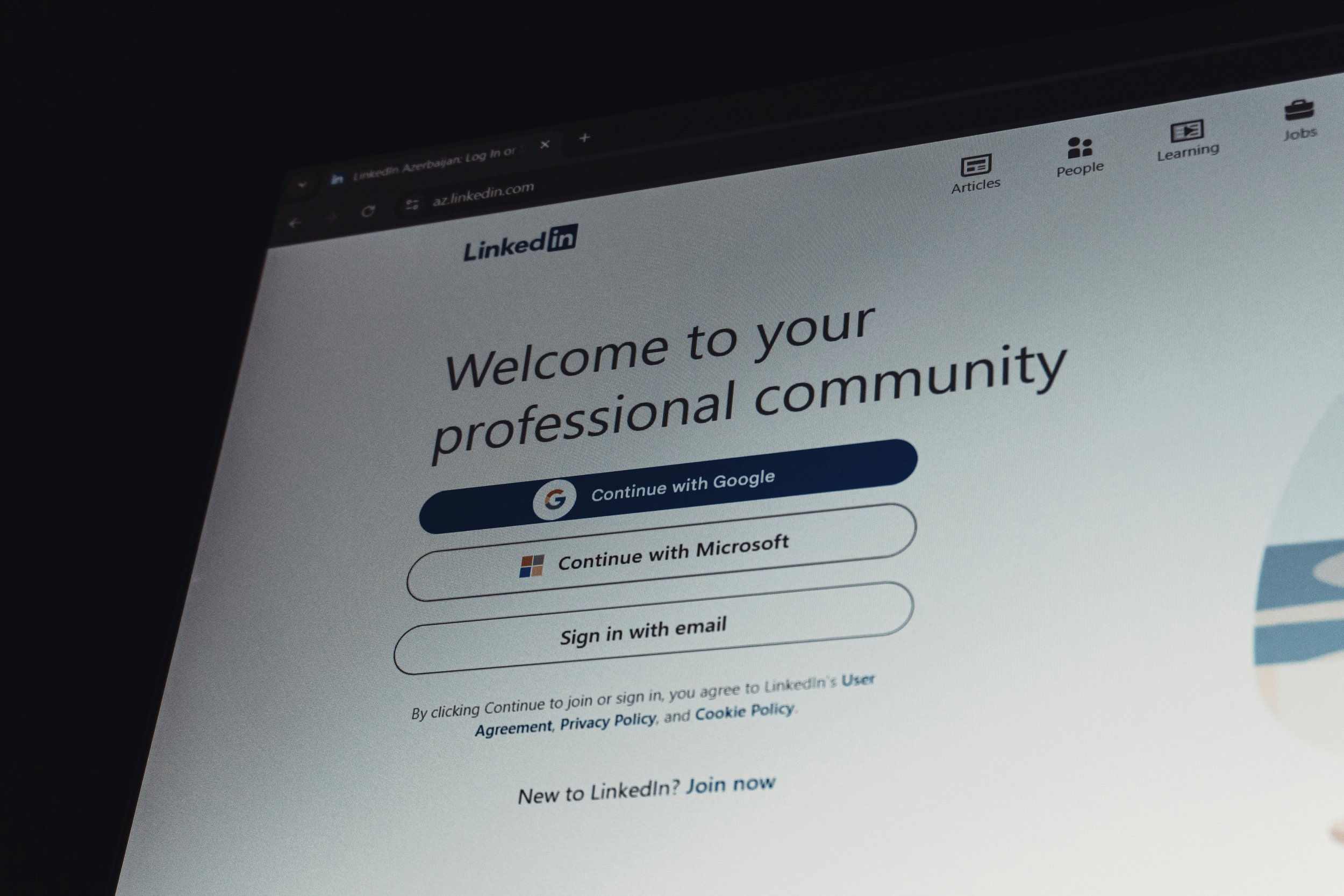
Recruitment scams - do this first!
Stop sending money or information - Do not send any further money or personal information, even if you are being pressured to meet a deadline.
Report it to the South African Police Service (SAPS) -Report the incident to SAPS, particularly if you have suffered financial loss, identity theft or have been used in criminal activity. Keep any case number or reference provided.
Contact your bank immediately - If you have transferred money or shared your banking information, contact your bank as soon as possible.
Ask whether they can:
stop or reverse the transaction (where possible)
secure your account
monitor for fraudulent activity
Approaches to dealing with recruitment scams
Report the advert or profile - Report the fraudulent job advert or recruiter to:
the job website where it appeared
the social media platform or messaging service being used
the legitimate company being impersonated
Providing links or screenshots can help remove the scam more quickly.
Review what you have shared -Make a list of everything you have shared, including:
your name
ID number
address
contact details
banking information
copies of identity documents
passwords
CV or employment history
Consider how this information could be misused.
If you shared passwords, change them immediately.
Protect yourself against identity theft -If copies of your identity documents or significant personal information were shared, monitor for signs of identity fraud and take appropriate protective measures.
Contact your mobile network provider -If you were tricked into calling a premium-rate number, contact your mobile or landline provider to explain what happened. They may be able to block the number or advise on available dispute processes.
Beware recovery scams - After ending contact, the scammers may contact you again pretending to be:
the police
your bank
the employer
a recovery company
They may claim they can recover your money for a fee.
Only trust organisations that you contact directly using their official contact details.
How can I reduce the risk of recruitment scams?
Limit personal information on your CV - Avoid including unnecessary personal information such as:
ID number
passport number
banking details
driver's licence number
full residential address
date of birth (unless specifically required)
Only provide sensitive information once you have verified the employer and there is a legitimate need.
Use reputable recruitment platforms - Use established job websites where possible or apply directly through employers' official websites.
Be cautious of unsolicited job offers received through social media or messaging apps.
Never pay recruitment fees - Legitimate employers and recruiters generally do not require applicants to pay for employment opportunities.
Be cautious of offers that seem to good to be true - If a role offers unusually high pay, minimal work or guaranteed income with little experience, take extra time to verify it.
Verify overseas opportunities- If applying for work abroad, independently verify visa requirements, work permits and associated costs through the relevant embassy or official government sources rather than relying solely on information provided by the recruiter.
Donate
Your generosity makes our free support possible. Please consider giving today.
Without donations, we cannot keep our service free or provide help to the most vulnerable victims of cybercrime when they need it most. As a not-for-profit organisation, every donation goes directly towards keeping The Cyber Helpline up and running. Donate now and help us support victims of cybercrime.