
Dealing with identity theft

Identity theft is when a criminal gathers enough information about you to commit fraud in your name, such as opening bank accounts, applying for loans or credit, or accessing other financial services. Identity theft can affect both living and deceased individuals.
Being a victim of identity theft can have a significant financial impact and may also affect your ability to obtain credit and other financial services in the future.
We want to better understand the impact of you experiencing this issue, can you share your experience by filling in this online form? This will help us better protect future victims.
How do you know if you have been a victim of identity theft?
The following signs may indicate that your identity has been stolen or misused:
Missing identification documents (such as your South African ID card/book, passport or driving licence)
Missing post or important documents that you were expecting
Unrecognised transactions on your bank account
Unexpected deliveries of goods you did not order
Notifications about bank accounts, loans or credit applications you did not make
Being declined for credit because of a poor credit history that does not reflect your actual financial activity
Being locked out of your bank account or notified of changes you did not make
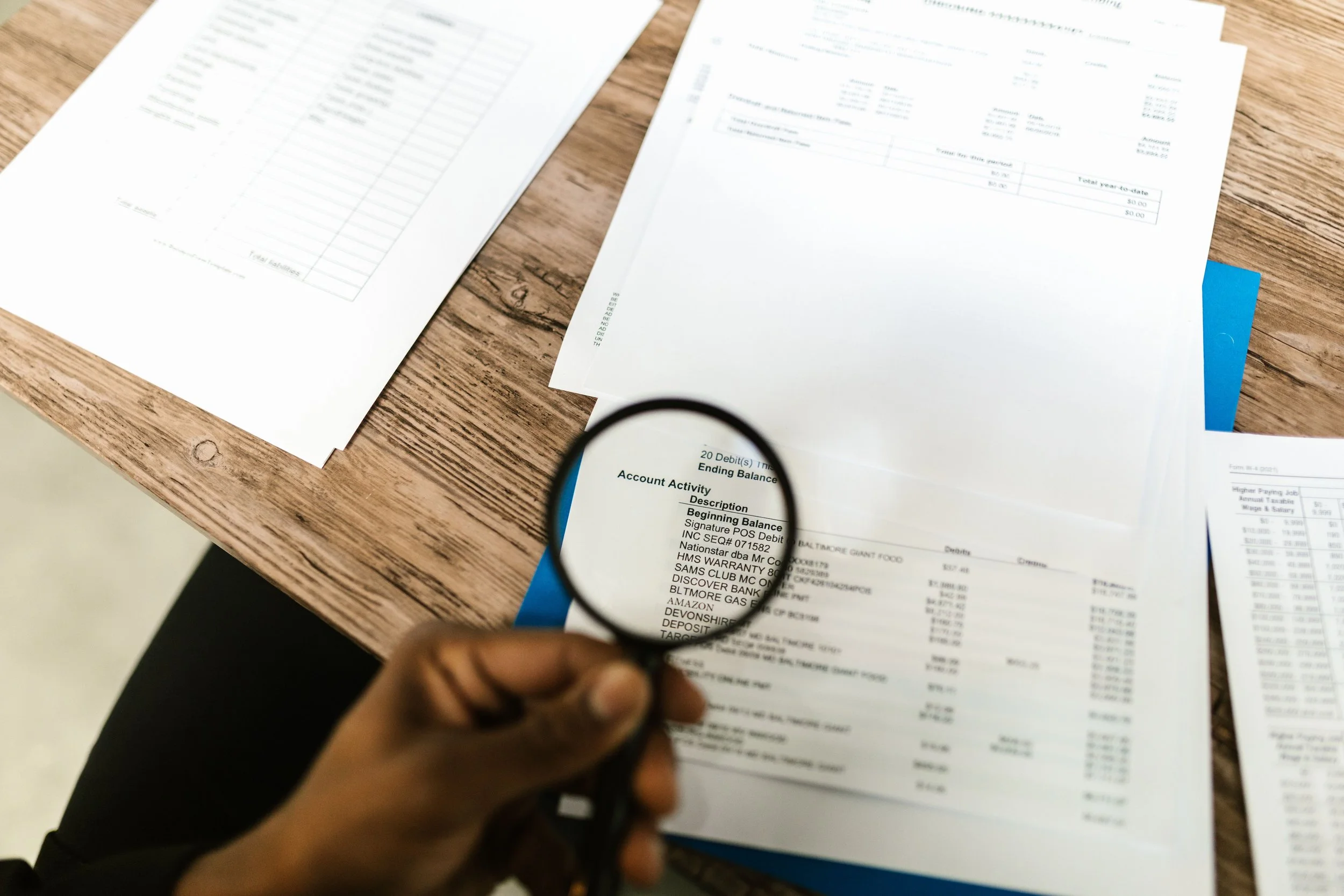
Approaches to dealing with identity theft
Identity theft can take time to resolve and may require you to work with several organisations. Keeping accurate records and acting quickly can improve your chances of limiting further harm.
Preserve evidence - Before making changes to your accounts, preserve any available evidence, including:
Screenshots of suspicious activity
Emails, SMSs or messages
Bank statements
Reference or case numbers
Letters relating to fraudulent accounts or applications
Act quickly - As soon as you suspect identity theft, begin taking action. The longer identity theft continues, the greater the risk that additional accounts or financial products may be opened in your name.
If your personal information was exposed as part of a data breach, the organisation responsible may also have obligations under the Protection of Personal Information Act (POPIA) to notify affected individuals and the Information Regulator.
Contact the organization involved - If you notice suspicious activity involving your bank accounts, payment cards or financial products, contact the relevant bank or financial institution immediately and explain the situation.
If your South African ID document, passport or driving licence has been lost or stolen, report it to the relevant issuing authority as soon as possible and apply for a replacement where necessary.
Get a copy of your credit profile - Obtain a copy of your credit report from one or more South African credit bureaux to check for:
Credit applications you do not recognise
Loans opened in your name
Unknown accounts
Incorrect personal information
If you identify fraudulent activity, dispute it immediately with both the credit provider and the relevant credit bureau.
Consider protective registration with SAFPS - If your identity information has been stolen or misused, consider applying for Protective Registration with the Southern African Fraud Prevention Service (SAFPS). Protective Registration helps participating organisations carry out additional identity verification before granting credit in your name, reducing the risk of further identity fraud.
Check that your post has not been redirected or intercepted - If important letters, bank cards or official documents are missing, contact the organisations that issued them immediately.
If you suspect your post has been stolen or intercepted, report the matter to SAPS and notify the organisations sending the documents.
Keep a record of your actions - Identity theft investigations can take time. Keep a record of:
Who you contacted
Dates and times
Reference numbers
Copies of correspondence
Actions taken
This information may help if you need to dispute transactions or follow up with organisations later.
Report the crime
Identity theft is a crime.
Depending on the circumstances, consider reporting the incident to:
South African Police Service (SAPS), particularly where fraud or theft has occurred.
Your bank or financial institution if financial accounts have been affected.
The relevant organisation whose accounts or services were fraudulently accessed or opened.
The Southern African Fraud Prevention Service (SAFPS) if identity information has been compromised and Protective Registration is appropriate.
How to lower the chances of being a victim of identity theft
Before providing personal information, ask yourself:
Who is requesting my information?
Can I verify their identity?
Why do they need this information?
Is it necessary to provide all of these details?
If you are unsure, do not provide your information until you have verified the request.
Additional steps to reduce the risk include:
Keep your PIN confidential and never write it down where others can find it.
Securely destroy documents containing personal information before disposing of them.
Protect your phone with a password, PIN or biometric security.
Use reputable, up-to-date security software on your devices.
Regularly review your bank statements for unauthorised transactions.
Check your credit profile periodically for unexpected activity.
Never share passwords, one-time passwords (OTPs), login credentials or account numbers in response to unsolicited phone calls, emails or messages.
Use strong, unique passwords for each online account.
Enable multi-factor authentication wherever it is available.
Keep your devices and software updated with the latest security patches.
If important documents you are expecting do not arrive, contact the issuing organisation promptly.
Notify organisations promptly if you change your address to ensure important correspondence reaches you.
Only connect with people you know on social media.
Avoid sharing unnecessary personal information publicly online.
Avoid accessing sensitive accounts, such as online banking, over unsecured public Wi-Fi.
Never respond to unsolicited emails, SMSs or phone calls requesting personal or financial information.
Donate
Your generosity makes our free support possible. Please consider giving today.
Without donations, we cannot keep our service free or provide help to the most vulnerable victims of cybercrime when they need it most. As a not-for-profit organisation, every donation goes directly towards keeping The Cyber Helpline up and running. Donate now and help us support victims of cybercrime.