
Dealing with bank card fraud

Last updated: 26/08/2026
This Guide is designed to support individuals who have identified unauthorised transactions on their credit or debit cards. The Guide includes what practical steps you can take to limit the damage, how to preserve evidence, look after your well-being and where you can get specialist support and report the crime in the UK.
What is card fraud?
Card Fraud (be it credit card or debit card), is when your card or card details are used without your permission by fraudsters. The fraudsters may make payments, withdraw money, commit identity theft, or sell the card details on to other criminals. Ultimately, you will have noticed card transactions have been made using your bank cards which you did not authorise.
Fraudsters can gain access to your card data in a number of ways:
Stolen cards which may include a new card being sent to your billing address when a previous one is cancelled or expired;
Stolen card data includes data obtained through a data breach, where fraudsters have gained access to a company’s systems and been able to obtain unauthorised access to payment details.
Card skimming is when a copy of your card is taken. This may occur during a legitimate transaction, such as using an ATM which has a piece of hardware attached to the slot where you enter your card, that reads your payment details; or a compromised Point of Sale (PoS) device at a physical checkout in a shop. It may also happen in crowded places where fraudsters have scanning technology for contactless cards. The card is then cloned and used without your authorisation
Unintentional data disclosure happens when you have used a fake website (believing it to be genuine) and so accidentally shared your payment information with a third party who you did not intend to. This is called phishing; or
Social engineering is when a criminal tricks you into sharing your card details either in person, over the phone (vishing), on email (phishing) or by text (smishing).
In the UK, card fraud and related scams are usually dealt with under the Fraud Act 2006, which makes it a crime to dishonestly make a gain or cause a loss using false or stolen information.
Finding out your card has been misused can leave you feeling shocked, anxious, or worried about money and your future credit, but you are not to blame for someone choosing to commit fraud against you.
We want to better understand the impact of you experiencing this issue, can you share your experience by filling in this online form? This will help us better protect future victims.
How do you know if you have been a victim of card fraud?
Your current card expires and you have not received a new replacement
A replacement card never arrives
Your debit or credit card statements show transactions or purchases that you don’t remember making or to vendors you do not recognise.
Your card provider alerts you to recent transactions you do not recognise.
Your card is rejected multiple times when you try to use it to make a transaction.
Notification that your card has been added to a digital wallet that is not yours, such as Apple Pay or Google Pay.
For credit cards, your credit card provider lets you know that you’ve exceeded your credit limit.
Your card provider notifies you of changes to account details that you have not requested. This may include contact phone number, email address or billing address details.
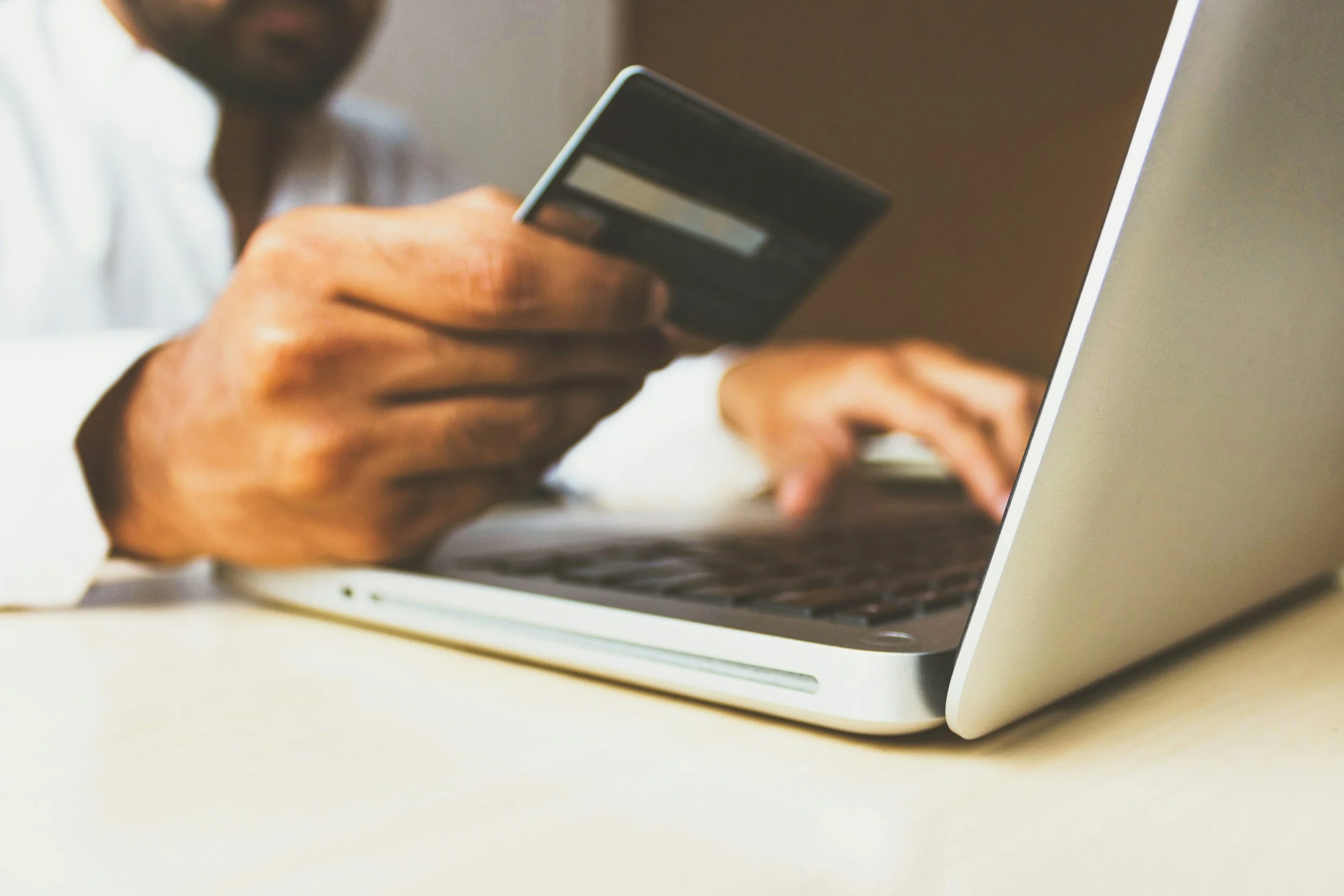
Approaches to dealing with card fraud
If you are aware your card is lost or stolen, contact your provider immediately and ask them to block your card. Some providers allow you to freeze your card through their app.
You should notify your debit or credit card provider as soon as you realise there's a problem.
When you contact your bank, use the phone number on the back of your card or on the bank’s official website, and never call back on a number given in a suspicious text or email. Alternatively dial “159” which is a secure service provided by Stop Scams UK and Global Cyber Alliance for most major UK banks as a way to ensure you are using a legitimate contact number for your bank.
Your provider may cancel your cards and reissue new ones. While waiting for your new card, it is unlikely that you will be able to use your current card. Once you receive your new card, you will need to update your payment information for any companies where you have authorised ongoing payments (subscriptions). Without these updates, future payments with these companies cannot be processed.
Your provider will also review recent transactions with you, to confirm the extent of the fraud committed and then continue to monitor your account and investigate the fraudulent transactions.
It is possible that you will be reimbursed for the fraudulent transactions. You can find more information on recovering money in our guide.
If you think your device has been compromised with malicious software (for example, you may have downloaded something to make a payment, or the website you used was fake) you can find more information on removing it.
Discussion points with your provider
When speaking to your provider, they can provide further details on what has happened and help stop any further money from being stolen:
Ask for more information about the transactions in question, specifically where the unauthorised transaction originated from. This might help you identify if the card was used locally or not.
Confirm whether any details have recently been changed on your account.
Confirm whether you need to raise a dispute to recover any stolen money.
Ask your provider to confirm the timelines of their investigations and how they will notify you of any credits they will apply to your account as a result of the unauthorised transaction; including if any pending transactions can be reversed.
Confirm if you should change the password on your account.
Report the crime
If you feel in immediate danger or someone is threatening you, call the police on 999; for non-emergencies you can call 101 or report online via the police website.
If you are in England, Wales or Northern Ireland you should report card fraud and other fraud to Report Fraud on 0300 123 2040 or via their website https://www.reportfraud.police.uk/ who can provide a crime reference number and investigate what has happened. In Scotland, report to Police Scotland.
How to avoid being a victim of card fraud
You can lower the risk of being a victim of card fraud by following this advice:
When you shop online, make sure you use trusted platforms (i.e. check the web address begins with ‘https’ and that there’s an unbroken padlock symbol in the left side of the browser address bar).
Use a computer, laptop or mobile device that’s protected with licensed and up-to-date virus and security software.
Don’t let online websites save a copy of your card details for future use.
Make sure you know the seller or provider before giving your card details online or over the phone.
Register for and use your bank’s strong customer authentication or ‘3D Secure’ services (for example, extra security checks such as one-time passcodes when shopping online, such as Verified by Visa, MasterCard SecureCode and/or American Express SafeKey).
Always log out after shopping and save the confirmation e-mail as a record of your purchase.
Make sure you keep your card with you or locked somewhere safe.
Keep your PIN private and don’t use numbers like your date of birth.
Shield your PIN when entering it into a machine.
Don’t put your card into machines (ATM or PoS devices) that look like they’ve been tampered with.
Try not to provide anyone with your credit card information over the phone or via e-mail.
Keep your card in an RFID-secure wallet to help prevent your contactless card being scanned.
Keep your card in sight at all times. When making payments in shops or restaurants, it is safer to keep your card in sight at all times and either pay at the till or wait for the card reader to be brought to you. Contactless payments and digital wallets can provide additional security and reduce the need to enter your PIN in public places.
Check whether your information has been compromised. If you hear about a data breach in the news and the company involved holds your personal data, use services like “haveibeenpwned” to monitor any data breaches related to your email account.
Regularly check your credit card and bank statements and credit report to ensure that they haven’t recorded activity that you’re unaware of.
Set up alerts on your accounts to notify you of high value purchases, or when your account reaches a certain spend level.
Cut up the chip and magnetic strip when disposing of old credit cards.
Shred paper copies of credit or debit card statements.
Close any unused credit card accounts.
Be alert to unsolicited contacts through email, phone calls or texts which provide links or requests for you to share your payment information.
Use a scam checker, like Ask Silver, to check if the phone numbers, messages, websites or images are known to have been used in other scams.
Check companies are legitimate - You can use the Get Safe Online Check a Website service to check the risk of the website being a scam. You can also check UK companies at Companies House.
Check your credit report - check what else the criminal has done with your information. A credit report will show you any searches done by a lender, what date the search took place, what name and address it was done against and also for what type of application. It will also show what credit accounts are set up in your name. You can contact any one of these credit reference agencies and receive support in resolving credit report problems caused by identity fraud. Popular companies that can provide your credit report include: Noddle, Equifax, Experian and ClearScore.
Take out CIFAS Protective Registration - CIFAS Protective registration makes it harder for loans and financial credit to be taken out in your name. Adding this protection could limit any further issues.
Some offenders may use AI-generated content, such as deepfake images, videos, or cloned voices, to impersonate people or create convincing false material. This can make scams, harassment, or blackmail feel more realistic and harder to identify. If something feels unusual or out of character, try to verify it through a trusted, separate method before taking action or responding.
For example, a fraudster might use a cloned voice to pretend to be your bank or a family member and pressure you into reading out card details or a one-time passcode.
If something doesn’t feel right, don’t be afraid to hang up and call the organisation back on an official number, such as the one on the back of your bank card. Only criminals will mind. You can also register for the Telephone Preference Service to cut down on unwanted calls.
Fraudsters may also target mobile phones that contain banking apps or digital wallets. If a criminal gains access to your phone and banking credentials, they may be able to make payments, transfer funds or access sensitive financial information. Ensure your phone is protected with a strong passcode, biometric security and remote locking functionality where available.
Watch out for warning signs of identity theft - First, keep a close eye on your bank and credit card statements, looking for any withdrawals or purchases that you didn’t authorise. You should also check your credit score to monitor the financial products taken out under your name.
Additional signposting
To ensure you have a legitimate contact number for your provider, dial “159”, a secure service provided by Stop Scams UK and Global Cyber Alliance.
Keeping your security and privacy strong online will go a long way to protect you and your information. The National Cyber Security Centre has advice on how to stay secure online.
The National Cyber Security Centre has a suspicious email reporting service – all you have to do is forward suspicious emails to report@phishing.gov.uk
You can also get free, confidential emotional and practical support from Victim Support (www.victimsupport.org.uk or 08 08 16 89 111), even if you haven’t reported the fraud to the police.
Consider telling a trusted friend or family member what has happened, if it feels safe to do so, so they can support you and help you keep an eye on your accounts and devices
Donate
Your generosity makes our free support possible. Please consider giving today.
As a not-for-profit, every donation goes straight toward keeping our service free for individuals who were targeted online — donate now and help us reach more people affected by hacking, scams and online abuse.