
Dealing with identity theft

Last updated: 26/08/26
This guide explains how to recognise identity fraud, what practical steps you can take to limit the damage, how to preserve evidence, and where you can get specialist support and report the crime in the UK.
We want to better understand the impact of you experiencing this issue, can you share your experience by filling in this online form? This will help us better protect future victims.
What is identity theft?
Identity fraud is when a criminal gathers information about you in order to commit fraud, for example, by taking out loans and other services in your name. Identity fraud can take place whether the victim is dead or alive. There are many types of identity fraud, such as:
Financial: The most common form, involving the use of a victim's details to obtain credit, goods, or services.
Medical: Fraudsters use a victim’s identity to obtain medical care or drugs, which can dangerously corrupt the victim's medical records.
Tax-related: Criminals file a fraudulent tax return using a victim’s details to claim their refund.
Synthetic: A complex fraud where criminals combine real (often stolen) and fake information to create an entirely new, fabricated identity.
Child Identity fraud: Targeting minors whose clean credit records can go unmonitored for years.
Identity fraud often has a direct financial impact on victims, but can also create significant stress to victims indirectly, such as emotional and reputational damage, or by making access to financial services like credit cards and mortgages difficult. Regardless of how it happened, it is not your fault - anyone can fall victim to identity fraud.
In the UK, identity fraud is usually dealt with under the Fraud Act 2006, which makes it a crime to dishonestly make a gain or cause a loss using false or stolen information.
How do you know if you have been a victim of identity fraud?
These are some signs that might indicate you could be a victim of identity fraud.
Missing documents (e.g. passport or driver’s license, national ID, NHS card, etc.)
Missing mail (e.g. bank statements, utility bills, council tax bill, etc.)
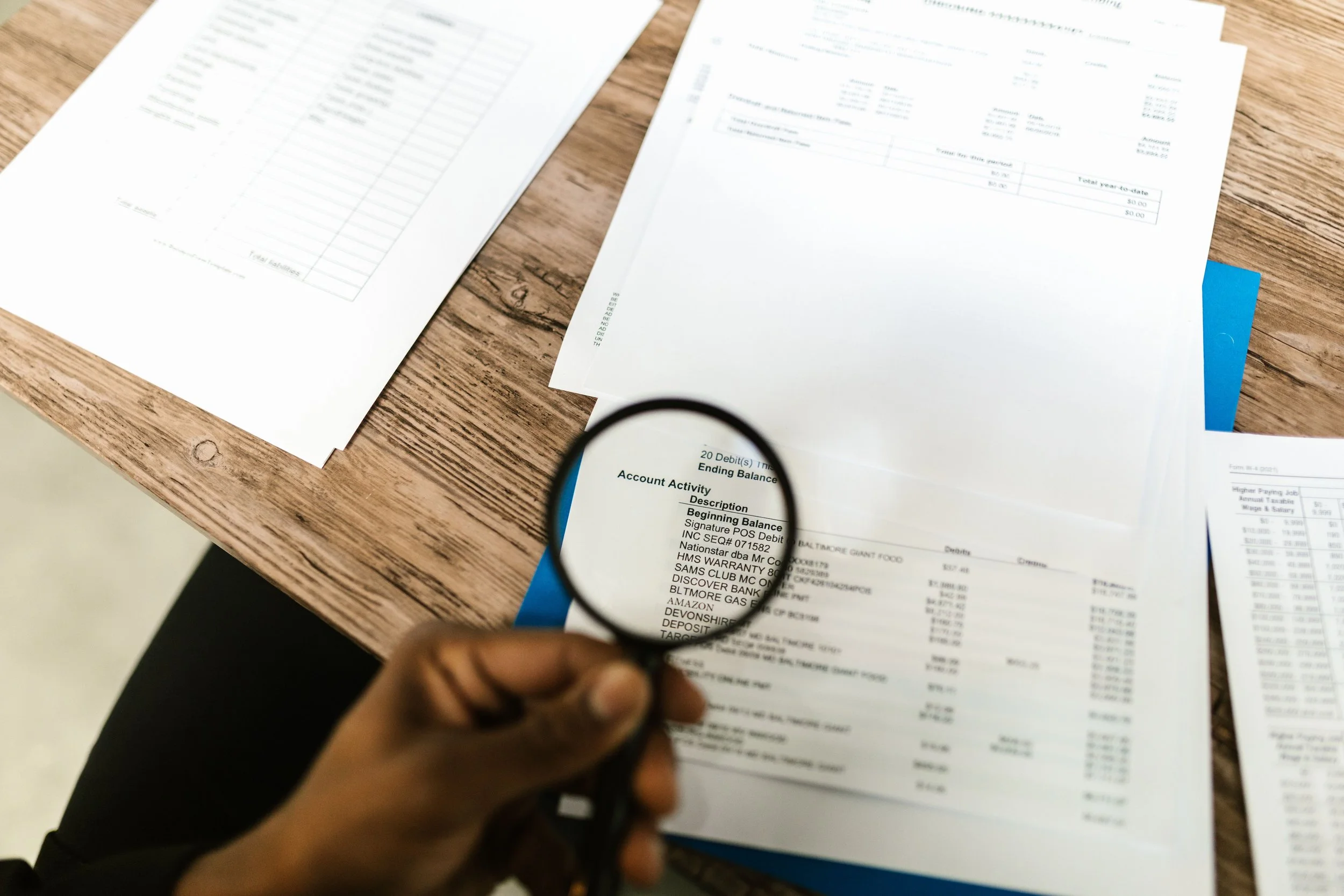
Unrecognised transactions on your bank statement
Duplicate Benefit Claims
Unexpected deliveries of products
You get notified about bank accounts or loans in your name which you did not open
You can’t access financial services because you have a low credit score which doesn’t reflect your real credit history
You have been locked out of your bank account
Your account login details were leaked in a data breach that you were notified of by the impacted organisation or have seen reported in the media or directly. Our guide on service provider breaches contains more information on this topic.
Approaches to dealing with identity theft
Dealing with identity fraud can be tricky and time consuming. Proving you did not take out certain financial products can be a long and frustrating process. However, most organisations now have a formal process for dealing with identity fraud. Report Fraud, the UK’s national reporting centre for fraud and cyber crime, has a good guide on identity fraud.
Act quickly - As soon as you suspect something is wrong, take action. The longer it takes to start dealing with identity fraud, the worse it can get as the criminal takes out more services and spends more of your money.
Contact the organisation involved - If there are problems with your bank accounts, bank cards or you have received a statement for an account you don’t recognise then contact the relevant banks immediately and explain the situation. If there are problems with a passport or other official document then contact the relevant government agency.
Report all lost/stolen documents to the relevant organisation - If you have lost important documents (or had them stolen) like your passport or driving licence then report it to the right organisation as soon as you know it is lost/missing.
Check your credit report - check what else the criminal has done with your information. A credit report will show you any searches done by a lender, what date the search took place, what name and address it was done against and also for what type of application. It will also show what credit accounts are set up in your name. You can contact any one of these credit reference agencies and receive support in resolving credit report problems caused by identity fraud. Popular companies that can provide your credit report include: Noddle, Equifax, Experian and ClearScore. Some banks, such as Lloyds Bank and NatWest, may also offer a free credit report.
Check there isn’t a problem with your mail - Contact Royal Mail and check that your mail isn’t being redirected by the criminal. They have an investigation team that can help you check.
Keep a log of your actions - As the process can be long, it is worth keeping a note of who you have contacted and when. This may come in handy when disputing requested payments or trying to move processes at a quicker pace. Where possible, keep copies or screenshots of any letters, emails, or messages from banks, lenders, or other organisations, as these can be useful evidence if you need to challenge fraudulent accounts or transactions. Our guide on preserving evidence has more information on this topic.
How to protect yourself from identity fraud
Whenever you are asked to give out your personal details, take a moment to answer the following questions:
Who is asking me for my details?
Can I confirm the identity of the person that is asking for my details?
What details are they asking for?
Why do they need to know all these details?
If you have any suspicions at all, don’t give out your details until you’ve checked everything out.
Here are a few more best practices to fight identity fraud:
Banking:
Make sure your banking PIN is safe, e.g. avoid writing it down on a piece of paper.
Always check bank statements for unrecognised transactions or changes to your personal details.
Never reveal your one-time passcodes, password, login details or account numbers when someone asks them via phone call, text or e-mail.
Regularly check your credit score and associated information.
Take out CIFAS Protective registration. This makes it harder for loans and financial credit to be taken out in your name. Adding this protection could limit any further issues.
Use our guide which includes different approaches to trying to recover any stolen money.
Personal information:
Use a password or biometric security measures to secure your phone.
Use a licensed and up-to-date security software when you’re online.
Make sure all documents that have your personal details on them are shredded before being discarded.
If you’re expecting formal documents and they are not arriving, contact the issuing organisation.
If you move house, redirect your post for at least a year.
Don’t accept invitations from people you don’t know on social media sites.
Don’t post personal information, including photos that show your personal information, on social media sites.
Secure online practices:
Create strong passwords for use online and avoid using the same ones for multiple accounts.
Make sure you have two-factor authentication enabled wherever you can.
Make sure you keep your software up to date with the latest releases. Some of them can be vulnerability fixes that reduce the chances of hacking.
Don’t use public Wi-Fi networks for accessing apps with personal information (e.g. personal banking, etc).
Never respond to unsolicited e-mails and phone calls.
Some offenders may use AI-generated content, such as deepfake images, videos, or cloned voices, to impersonate people or create convincing false material. This can make crimes feel more realistic and harder to identify. If something feels unusual or out of character, try to verify it through a trusted, separate method before taking action or responding.
Report the crime
If you feel in immediate danger or are being threatened, call the police on 999. For non-emergency situations, you can contact the police on 101 or via their online reporting services.
If you are in England, Wales or Northern Ireland you should report all fraud to Report Fraud on 0300 123 2040 or via their website https://www.reportfraud.police.uk/ who can provide a crime reference number and investigate what has happened. In Scotland, report to Police Scotland.
Additional signposting
Keeping your security and privacy strong online will go a long way to protect you and your information. The National Cyber Security Centre has advice on how to stay secure online.
The National Cyber Security Centre has a suspicious email reporting service – all you have to do is forward suspicious emails to report@phishing.gov.uk .
You can contact Victim Support (https://www.victimsupport.org.uk/ or 08 08 16 89 111) for free, confidential emotional and practical support after fraud or online crime, whether or not you have reported to the police.
If you are under 18, you can speak to Childline on 0800 1111 or via online chat at https://www.childline.org.uk/
Consider telling a trusted friend or family member what has happened, if it feels safe to do so. They can support you and help you keep an eye on your accounts and devices.
To ensure you have a legitimate contact number for your financial services provider, dial “159”, a secure service provided by Stop Scams UK and Global Cyber Alliance. https://stopscamsuk.org.uk/campaign/get-help-now/
If you’re struggling with money, you can get guidance on dealing with debt from MoneyHelper
Donate
Your generosity makes our free support possible. Please consider giving today.
As a not-for-profit, every donation goes straight toward keeping our service free for individuals who were targeted online — donate now and help us reach more people affected by hacking, scams and online abuse.